
Introduction
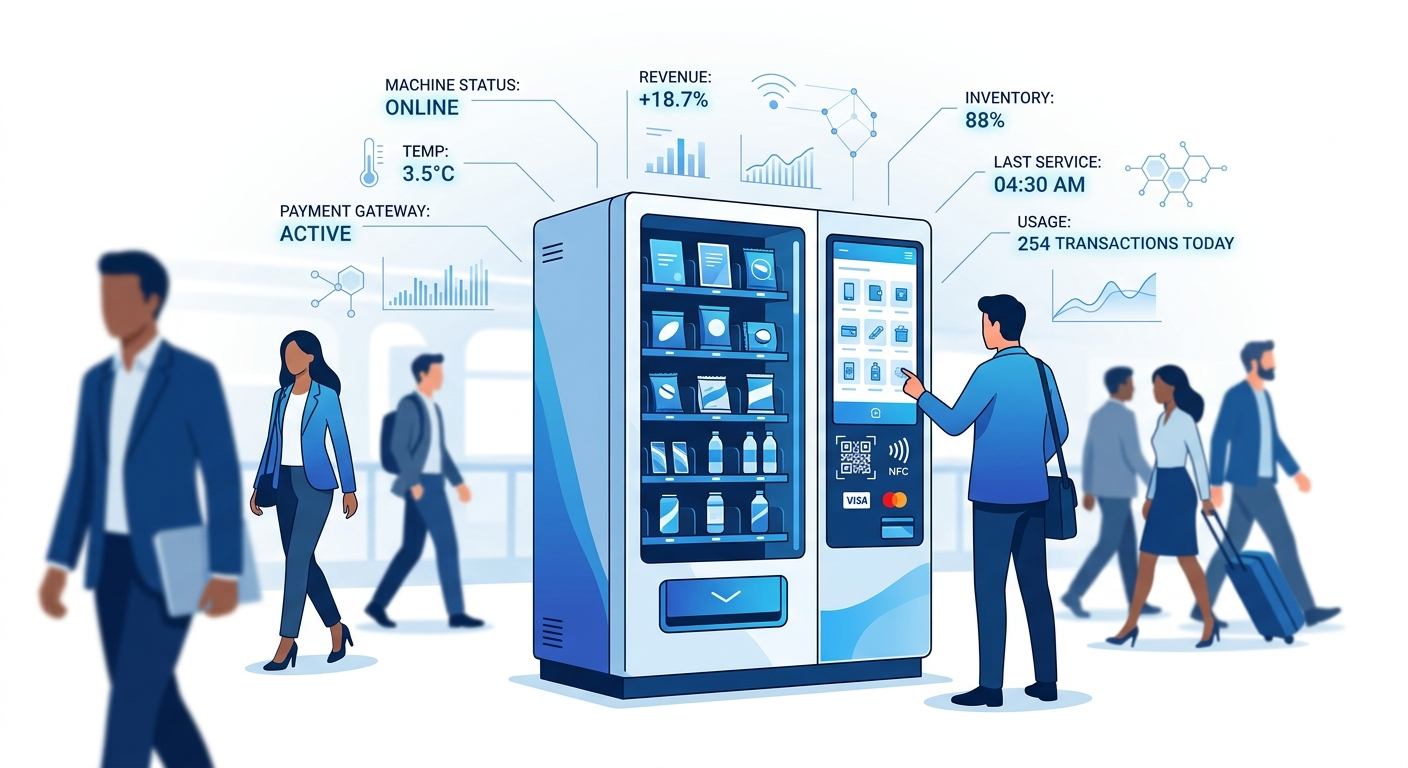
A few months ago, a regional vending operator came to us with a problem that’s becoming the industry standard in 2026.
On paper, their business was "high-tech." They had invested heavily in smart machines with real-time telemetry, touchscreens, and digital payment systems. But looking at their day-to-day operations, the "smart" part of the business was actually creating a new kind of friction.
The “Tab Problem”
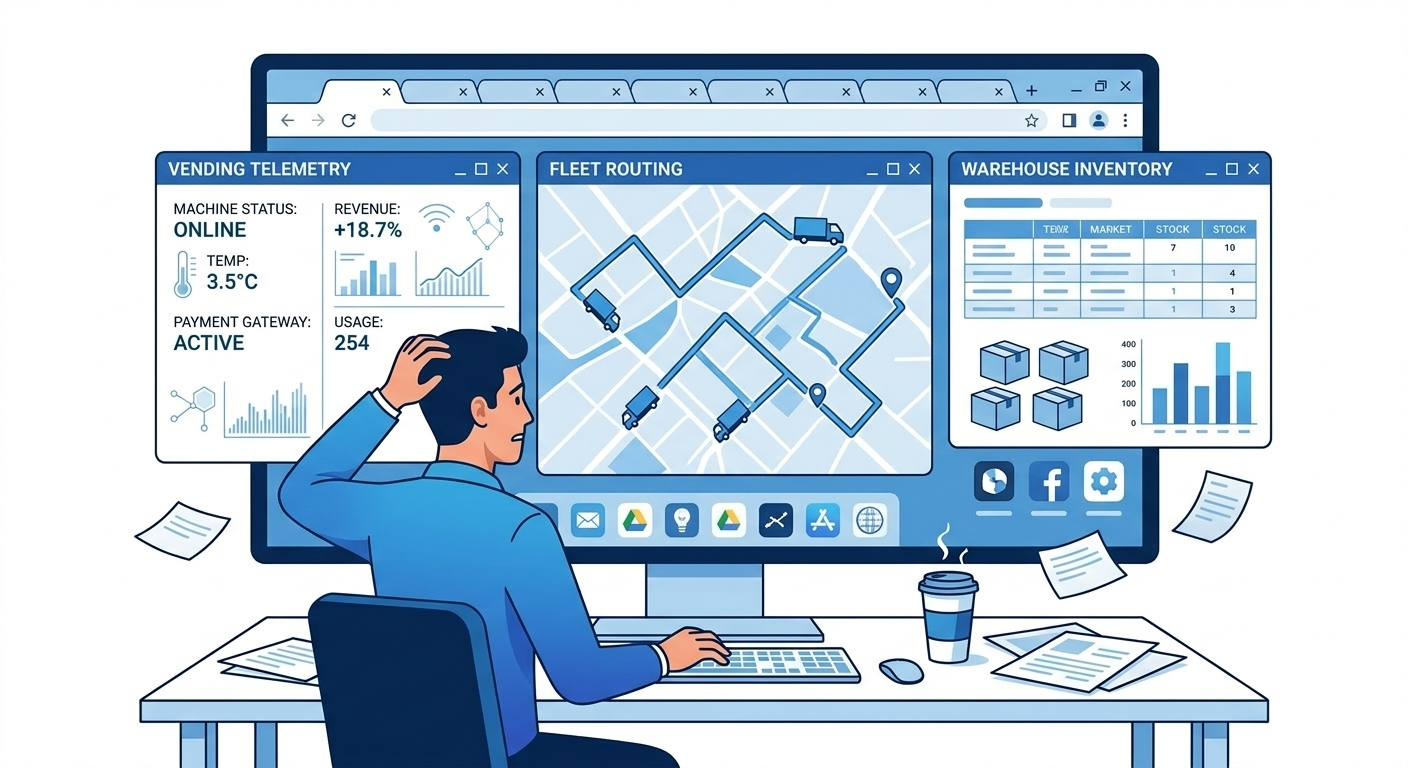
The owner described a "tab problem."
His dispatchers spent their mornings jumping between:
- A telemetry dashboard to see stock levels
- A separate routing app to manage the fleet
- A third inventory system to track the warehouse
None of these systems spoke to each other.
If a high-margin machine in a busy transit hub went down at 10:00 AM, the telemetry flagged it—but the routing software didn't know the closest driver was only three blocks away. By the time a human intervened to manually reroute that driver, the technician was already miles past the location.
This wasn't a hardware issue; it was a fragmented logic issue.
They were paying for premium data that stayed trapped in silos, forcing their staff to act as the manual "glue" between disconnected APIs.
The Cost of Fragmentation
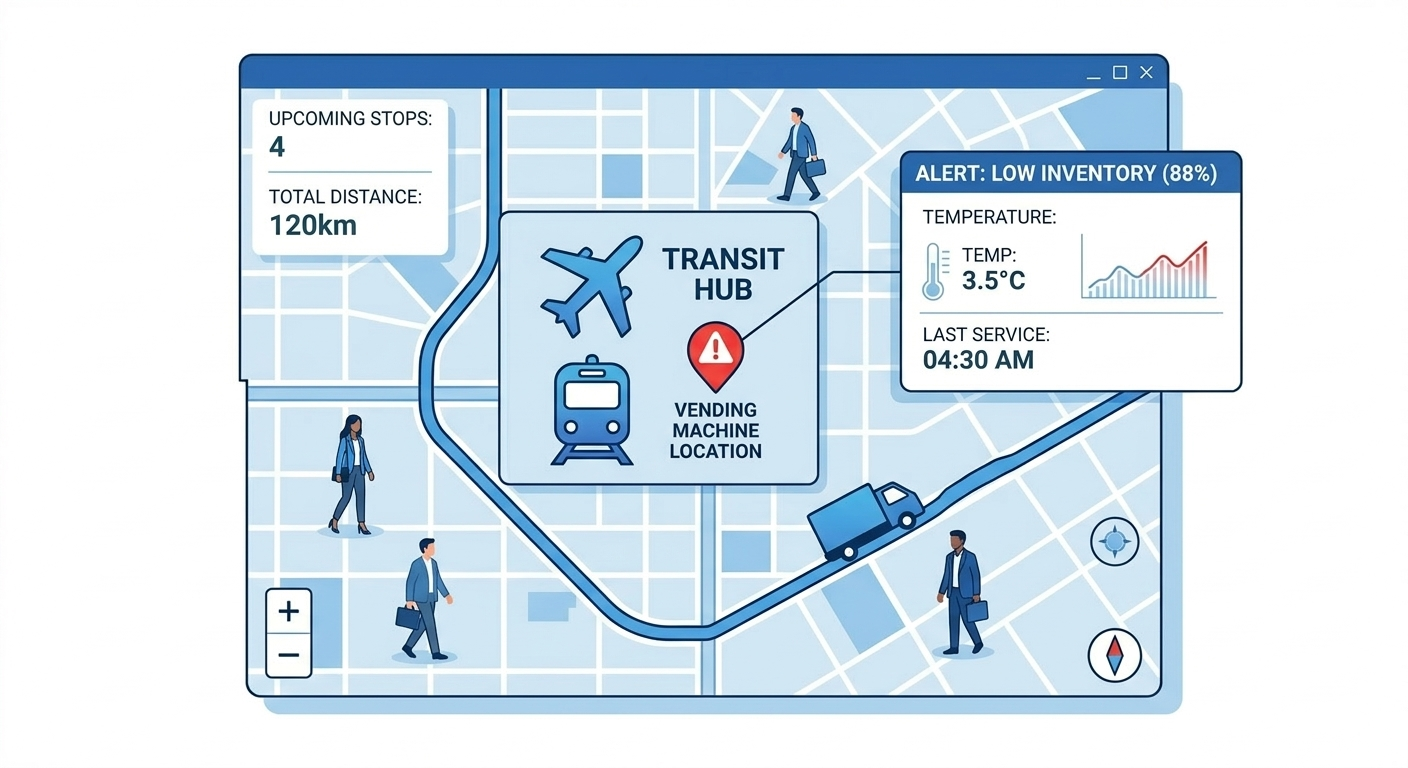
When we looked at their workflow, we realized they were losing a significant percentage of their margin to what we call the "Integration Tax."
- The warehouse team was pre-kitting bins based on snapshots from the night before
- Drivers often arrived at machines with the wrong inventory
- Morning demand shifts made those plans outdated almost instantly
The machine was "smart," but the supply chain was still reactive.
Moving to a Unified Logic Layer
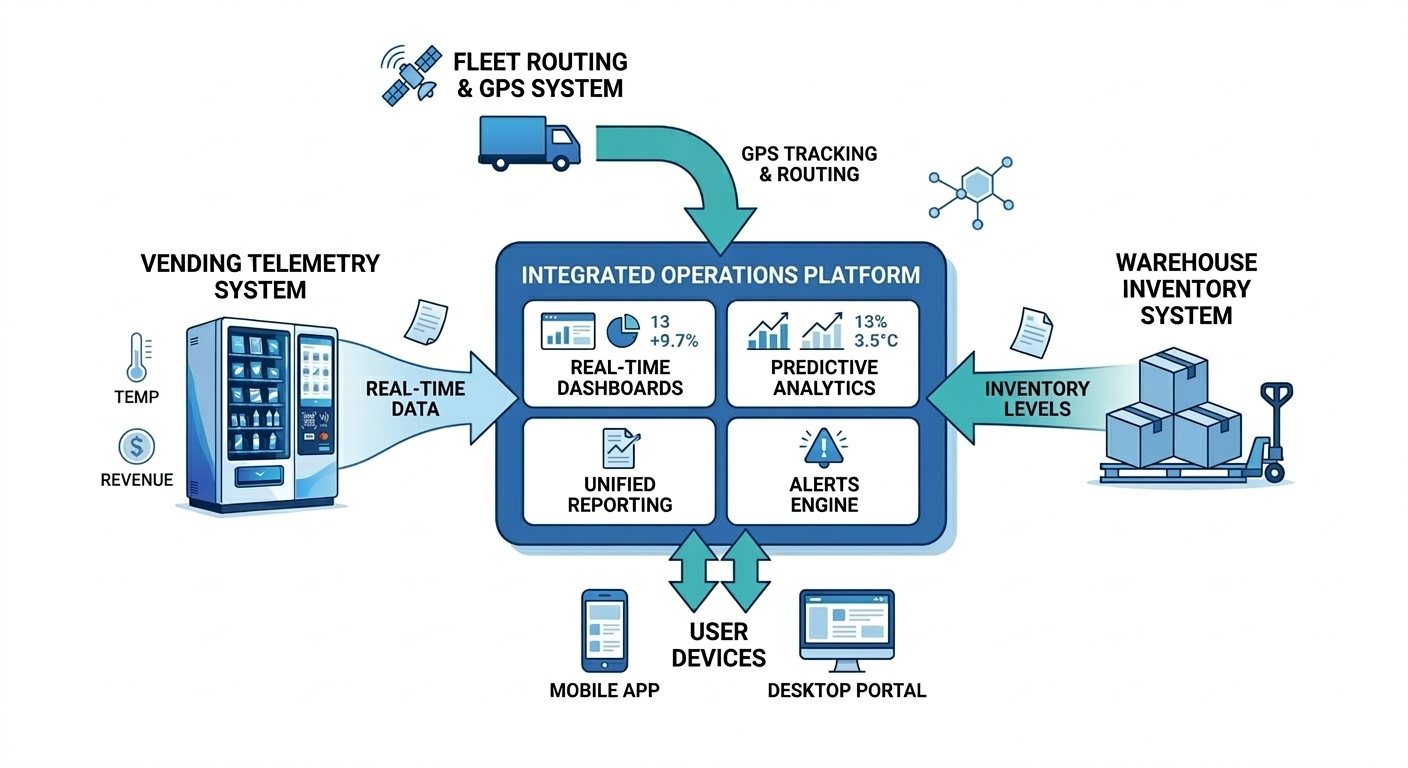
We helped them move away from managing separate apps and toward a unified logic layer.
Instead of replacing their machines, we built a custom bridge that pulled their telemetry, routing, and warehouse data into a single, fluid conversation.
The change was immediate.
We implemented an event-driven system where:
- A fault or stockout doesn’t just trigger an alert
- It checks live GPS data of the fleet
- It verifies the inventory on each van
- It automatically updates the route of the nearest qualified driver
In the warehouse:
- Pack lists stay live until dispatch
- Bins reflect real-time machine needs, not outdated snapshots
The Outcome
By turning three disconnected dashboards into a single operating system, the operator:
- Eliminated hours of manual reconciliation
- Reduced unnecessary service trips (“dry runs”)
- Improved response time and resource allocation
In a high-volume, low-margin business like vending, profit is found in:
- The miles you don’t drive
- The manual steps you don’t take
Final Thought
If your team is still copy-pasting data between "smart" platforms, you're likely leaving a significant amount of efficiency on the table.
If you’re facing similar operational challenges, get in touch with our team to explore how a unified integration approach could improve efficiency across your systems.